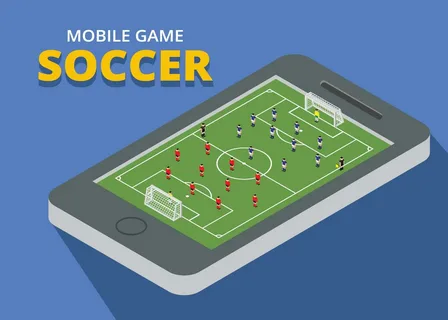
Mobile Esports Expanding Competitive Sports Gaming

Realistic Mobile Football Games Changing Player Experience
30.03.2026
Multiplayer Basketball Mobile Games Driving Competition
30.03.2026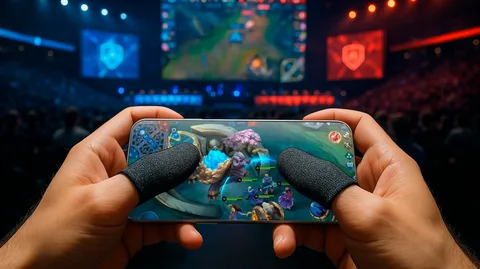
Competitive play has moved into pockets and hands, not just arenas and PCs. Mobile sports games now host structured tournaments, ranked ladders, and prize-driven events. This shift changes how users engage with competition and how betting markets respond.
What once looked like casual gaming now mirrors organized sport. Players train, analyze performance, and compete against global opponents daily. The format may differ, but the mindset is familiar.
How Mobile Esports Took Shape
Mobile esports in sports titles grew from simple multiplayer modes into full competitive systems. Developers introduced rankings, seasonal formats, and reward-based progression.
Access remains low-barrier. Anyone with a smartphone can join competitive play.
This accessibility drives volume. More players enter, skill levels diversify, and competitive ecosystems form quickly. Over time, structured tournaments emerge around the most popular titles.
Core elements of mobile esports include:
- Ranked matchmaking systems
- Seasonal competitions with rewards
- Online tournaments with global access
- In-game leaderboards tracking performance
Competitive Mechanics and Player Behavior
Mobile sports esports rely on consistency and decision-making. Quick reactions matter, but long-term performance depends on strategy.
Players learn patterns. They adjust tactics and refine playstyles over time.
This creates a skill curve similar to traditional esports. Users who invest time gain measurable advantages. They track statistics, study opponents, and optimize gameplay choices.
Influence on Sports Betting Models
Mobile esports introduces new layers to betting markets. While traditional sports rely on physical performance, here outcomes depend on player skill and in-game mechanics.
This changes how odds are interpreted.
Bettors analyze player rankings, win rates, and recent form instead of team lineups or injuries. Data remains central, but the source shifts from real-world events to digital performance.
At the same time, sportsbooks begin to recognize these patterns. Some platforms explore markets tied to esports outcomes, including mobile-based competitions.
Path From Casual Play to Competitive Scene
The move into mobile esports follows a gradual progression. Users build skills before entering structured competition.
They start with simple matches. Then they move into ranked systems.
This process usually looks like:
- Playing casual multiplayer games
- Entering ranked or ladder-based modes
- Tracking performance and win rates
- Competing in small online tournaments
- Participating in larger competitive events
By the way, this path reflects how traditional esports players develop. The format is smaller, but the structure is similar.
Why Mobile Esports Continues to Grow
Mobile platforms remove entry barriers. No expensive hardware is required.
Developers support competitive play through regular updates and events.
User demand also drives growth. Players seek competition that fits into daily routines. Mobile esports delivers that flexibility without losing structure.
Mobile Esports Defines Competitive Sports Gaming
Mobile esports now stands as a distinct part of the sports and betting ecosystem. It blends gameplay, competition, and analysis into a single format.
In short, mobile sports games no longer sit outside competitive culture. They operate within it, shaping how users compete and how betting models evolve.