Realistic Mobile Football Games Changing Player Experience

Mobile Gaming Reshaping the Global Sports Industry
30.03.2026
Mobile Esports Expanding Competitive Sports Gaming
30.03.2026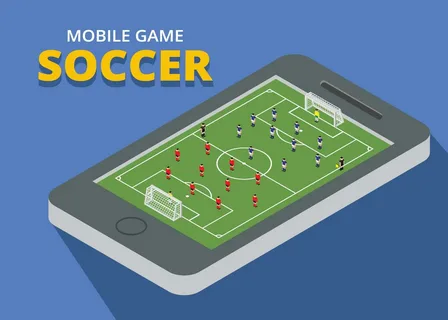
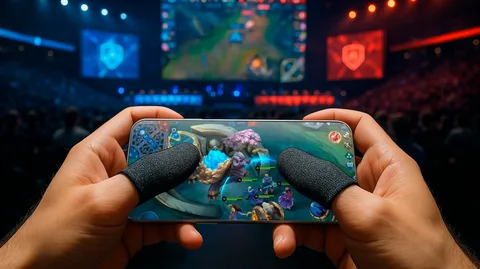
The demand for football on mobile has shifted from quick matches to deeper simulation. Players now expect detail, control, and mechanics that mirror real games. This shift has quietly influenced how users understand football itself.
Mobile football titles today are no longer just about scoring goals. They reflect tactics, player form, and match dynamics in a way that feels closer to real competition. For many users, this becomes a daily habit rather than occasional entertainment.
What Makes Gameplay Feel Real
Realism in mobile football games comes from how closely they replicate actual match conditions. This includes physics, player movement, and tactical flexibility.
Short arcade-style matches still exist. But serious players move toward simulations that reward decision-making.
Developers focus on small details. Player fatigue, passing accuracy, and defensive positioning all affect outcomes. These elements shape a more grounded experience.
Key features that define realistic gameplay include:
- Advanced physics for ball movement
- Player stats that impact performance
- Tactical formations and adjustments
- Live updates based on real-world football data
Popular Titles Leading the Market
Several mobile football games set the standard for realism. They combine licensed teams with mechanics that reflect real match flow.
Some focus on fast gameplay. Others lean into full simulation with strategic depth.
Users often choose based on how much control they want. Casual players prefer speed. More experienced users look for systems that reward planning and analysis.
Link Between Gameplay and Betting Skills
Realistic football games indirectly train users to read matches better. Players track team form, understand positioning, and recognize patterns.
This knowledge transfers naturally into sports betting.
When users analyze in-game scenarios, they develop habits similar to evaluating betting markets. They compare outcomes, assess risks, and adjust decisions based on changing conditions.
At the same time, betting platforms reflect similar logic. Odds shift like in-game momentum. Player performance impacts both environments.
How Players Move From Simulation to Analysis
The transition from playing to analyzing football follows a clear path. It develops through repeated interaction with game systems.
Users start with basic control. Then they begin to notice patterns.
The process usually looks like this:
- Playing matches with default settings
- Learning player roles and team structures
- Adjusting tactics during gameplay
- Observing how changes affect results
- Applying similar logic to real matches and odds
By the way, this progression does not require formal training. It builds through repetition.
Why Mobile Football Keeps Growing
Football remains the most popular sport globally. Mobile platforms make it accessible at any time.
Developers continue to improve realism. Graphics, AI behavior, and live data integration keep evolving.
Users respond to this depth. They spend more time inside games that reflect real football logic.
Mobile Football Games Reflect Real Sport Dynamics
Mobile football games now mirror how real matches unfold. They influence how users think about tactics, players, and outcomes.
In short, realistic gameplay connects entertainment with analysis. It brings gaming, football knowledge, and betting behavior into one continuous experience.