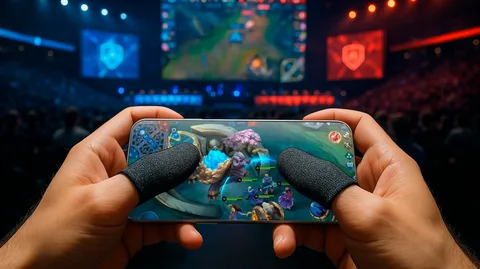
Multiplayer Basketball Mobile Games Driving Competition

Mobile Esports Expanding Competitive Sports Gaming
30.03.2026
Free and Paid Mobile Sports Games Market Comparison
30.03.2026
Mobile basketball games no longer feel like quick time-fillers. They now simulate pace, spacing, and player roles in a way that reflects how the sport is played on court. This shift draws users who want both control and competition in one place.
Instead of isolated gameplay, users now face real opponents. Matches become less predictable, and outcomes depend on decisions rather than scripted mechanics.
What Defines Strong Multiplayer Basketball Games
The core of modern basketball mobile titles lies in how they handle online interaction. Real-time matches, team coordination, and responsive controls shape the experience.
Latency and balance matter. Even small delays can change the flow of a game.
Developers focus on mechanics that mirror real basketball logic. Passing lanes, defensive switches, and shot timing all influence results. These elements reward awareness rather than random play.
Key features commonly found in top games include:
- Real-time online matches against other players
- Player progression systems with skill upgrades
- Matchmaking based on skill level
- Team-based modes with coordinated gameplay
Popular Formats and Game Modes
Different formats attract different types of players. Some prefer short matches with quick scoring. Others look for structured games with full team control.
Street-style modes emphasize speed. Full-court simulations lean toward tactics and positioning.
Online tournaments and ranked ladders add another layer. They introduce stakes and create a sense of progression over time. Users return not just to play, but to improve their standing.
Competitive Dynamics and Player Behavior
Multiplayer basketball games push users to adapt. Playing against real opponents exposes patterns and weaknesses.
Users adjust quickly. They change tactics and refine timing.
This creates a feedback loop. The more a player competes, the more structured their decisions become. Over time, casual play shifts into deliberate strategy.
How Players Develop Through Online Play
Progress in multiplayer basketball games follows a clear path. It builds through repetition and exposure to different playstyles.
Players begin with simple matches. Then they start noticing patterns.
The typical progression looks like this:
- Entering casual online matches
- Learning controls and shot timing
- Understanding spacing and defense
- Competing in ranked modes
- Adapting strategies against stronger opponents
By the way, improvement often comes from small adjustments. Timing and positioning matter more than speed.
Why Multiplayer Keeps Users Engaged
Online interaction adds unpredictability. No two matches play out the same way.
This keeps sessions fresh. Users return to test new approaches.
Developers support engagement through updates and seasonal content. Rankings reset, rewards change, and new challenges appear. This cycle maintains long-term interest.
Multiplayer Basketball Games Shape Competitive Play
Multiplayer basketball games now reflect how real competition works. They require awareness, timing, and tactical thinking.
In short, these games turn mobile devices into competitive arenas. They connect gameplay with real decision-making and keep users engaged through constant challenge.