Mobile Gaming Reshaping the Global Sports Industry

Realistic Mobile Football Games Changing Player Experience
30.03.2026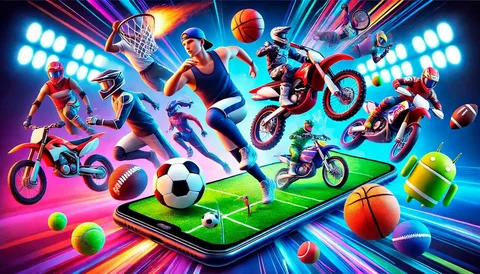
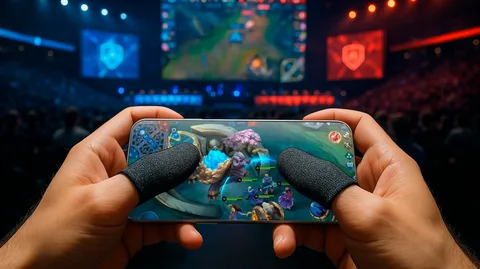
Mobile games tied to sports have moved far beyond simple entertainment. They now sit close to how fans follow matches, track players, and even place bets. A smartphone often becomes the main entry point.
People open an app instead of turning on TV. They check stats, play matches, and compare outcomes in minutes. The gap between watching and interacting keeps shrinking.
The Rise of Mobile Sports Ecosystems
Modern sports games on mobile devices copy real leagues, teams, and player stats with high accuracy. This creates a second layer of sports where fans stay active even between matches.
You do not need a console anymore. A phone is enough to stay inside the game.
Developers build these apps around real data and constant updates. Users log in daily and react to events almost in real time.
Key drivers of this shift include:
- Smartphones with stable internet access
- Real match data inside gameplay
- Online modes with other players
- Reward systems linked to activity
Convergence With Sports Betting Markets
Mobile sports games and betting platforms now overlap more often than before. Both rely on predictions, outcomes, and user decisions.
In games, players test lineups and strategies. In betting, they apply the same logic but with money involved.
This overlap shapes user habits. People who play sports simulators often feel more confident reading odds and trends.
At the same time, betting apps borrow elements from games. Interfaces become simpler, actions quicker, and feedback more direct.
Athlete Branding and Digital Presence
Athletes appear in mobile games as playable characters with stats and ratings. This turns them into digital assets, not just real-world performers.
Their presence reaches users who may never watch full matches.
For younger players, this exposure works as a shortcut to recognition. Established names simply extend their reach into another channel.
How Users Move From Gaming to Betting
The shift from gaming to betting rarely happens instantly. It follows a gradual path tied to experience and confidence.
Users start small. Then they explore deeper mechanics.
The process usually looks like this:
- Playing casual sports games on mobile
- Learning team stats and player roles
- Competing in ranked or online modes
- Testing predictions inside the game
- Moving to real betting platforms
By the way, this path forms naturally. Users build habits step by step.
The Business Impact on Sports Organizations
Clubs and leagues now work with game studios to stay visible in digital space. These partnerships bring steady income and keep fans engaged outside match days.
In some regions, mobile games replace live broadcasts.
User data from these platforms also matters. It shows which teams attract attention and how fans behave over time.
This information feeds into marketing decisions and betting markets.
Mobile Gaming Defines the Future of Sports
Mobile gaming now stands next to sports, not behind it. It shapes how people watch, play, and spend.
Nevertheless, the direction is clear. Gaming, sports, and betting continue to merge into one system.